


/file/publisher-c1a3f893382d2b2f8a9aa22a654d9c97/2026/02/039227fddf0705058f8b934f7fa05835.jpg)

Set up bipartisan committee to address skyrocketing oil prices, Samsuri urges govt
Amid rising crude oil prices following the conflict in West Asia, Perikatan Nasional chairperson Ahmad Samsuri Mokhtar urged the government to establish a forum akin to the national consultation and intervention council with representation from various stakeholders.
The PAS vice-president warned that Malaysia may soon feel the effects of rising oil prices and said the challenges facing the country require a non-partisan approach that prioritises national interest over party politics.
“Our response must...
Amid rising crude oil prices following the conflict in West Asia, Perikatan Nasional chairperson Ahmad Samsuri Mokhtar urged the government to establish a forum akin to the national consultation and intervention council with representation from various stakeholders.
The PAS vice-president warned that Malaysia may soon feel the effects of rising oil prices and said the challenges facing the country require a non-partisan approach that prioritises national interest over party politics.
“Our response must be inclusive, unified, and driven by a commitment to collective action.
“So, I’m proposing the comprehensive involvement of all stakeholders: the government, the opposition, NGOs, academics, industry leaders, and civil society representatives to ensure that every policy decision reflects the collective will and the best interests of our nation,” he said in a statement today.
Samsuri urged the government to act decisively, given that Malaysia may face rising prices for basic goods and food, increased transportation and utility costs, and pressure on the labour market.
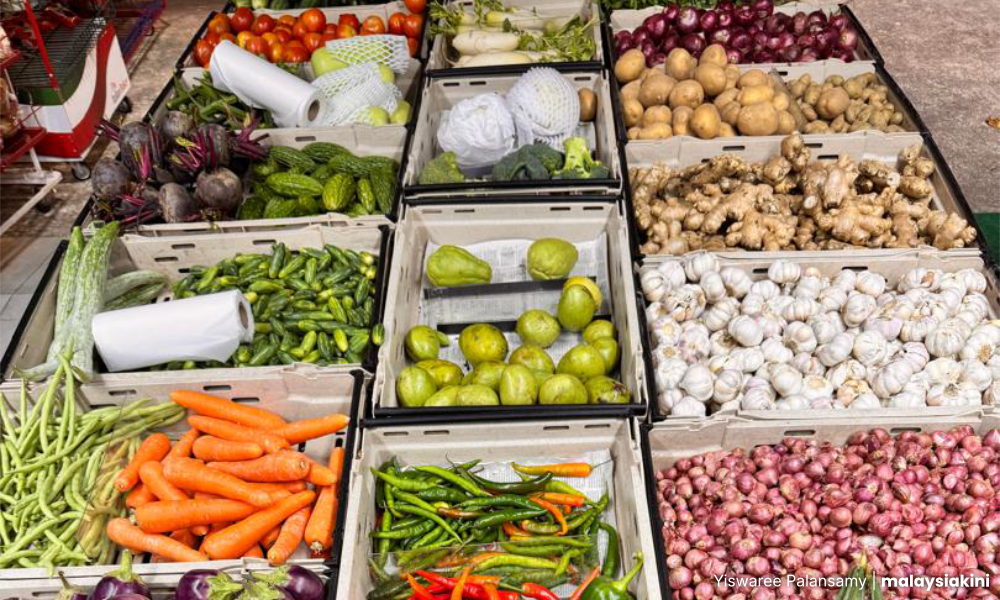
“Without decisive action, we risk a wave of workforce reductions, particularly within the manufacturing, logistics, and small and medium enterprise (SME) sectors, which are most vulnerable to the rising costs of raw materials,” he added.
Supply chain disruption
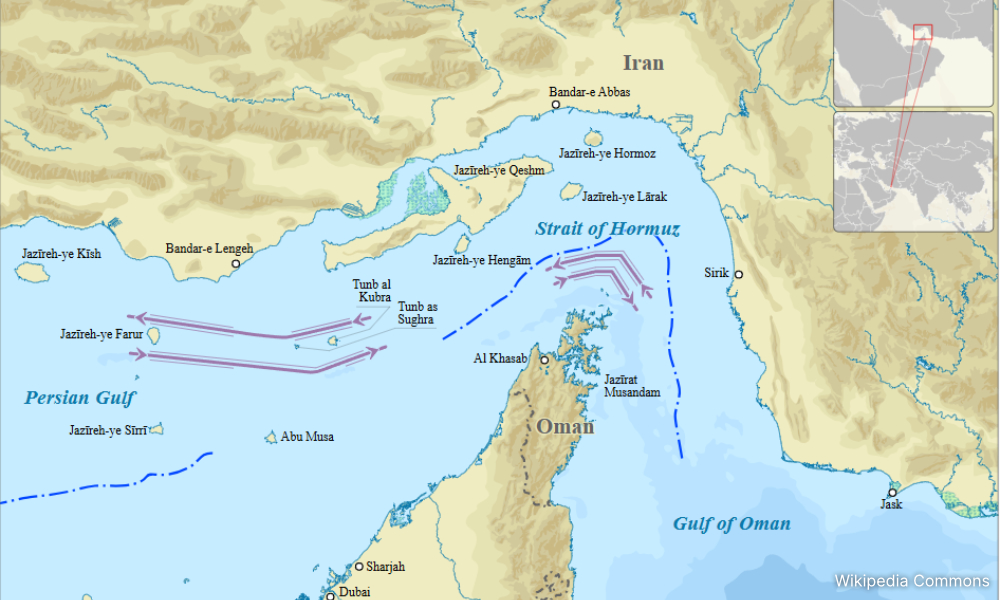
Following the joint attack by the United States and Israel on Iran last month, crude oil prices have skyrocketed worldwide, with Tehran imposing navigation restrictions on ships sailing through the Strait of Hormuz.
The vital waterway sees around 20 million barrels of oil pass daily, making it one of the world’s most critical energy chokepoints.
Apart from energy costs, experts warned that the conflict could drive up food costs in the country.
This is because the closure of the Strait of Hormuz could disrupt the supply of fertiliser, as the narrow sea passage also accounts for about 50 percent of global urea exports, 50 percent of sulphur exports, and roughly a third of ammonia shipments.
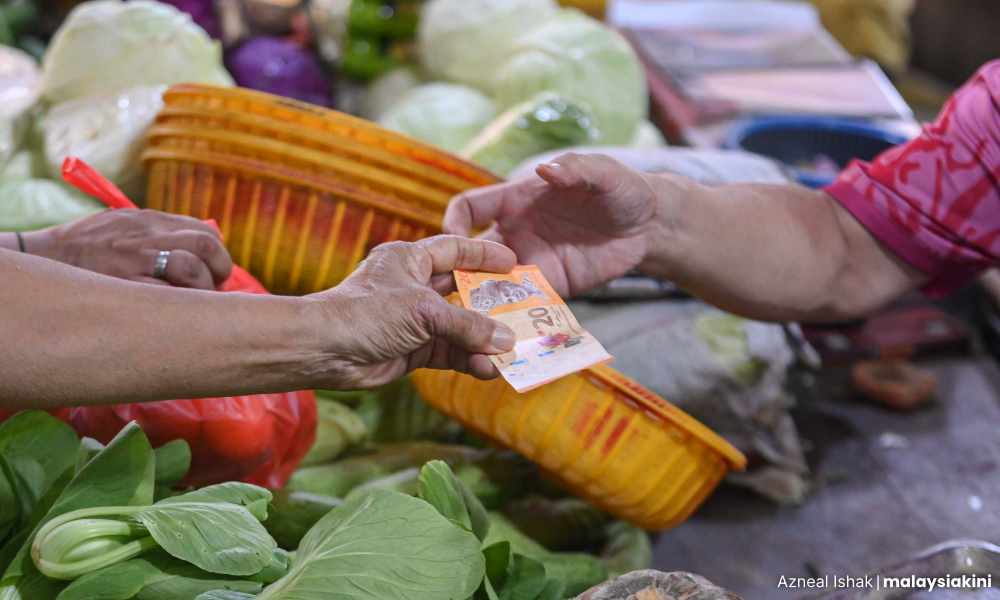
Universiti Putra Malaysia academic Fatimah Arshad told Malaysiakini that this disruption would not just affect the prices of fruits, vegetables, and rice, but also chicken and eggs due to similar impacts on animal feed imports.
“Even if Malaysia produces some food locally, farmers will still face higher input costs, which are usually passed on to consumers,” she said.
No time for partisan politics
Meanwhile, Samsuri stressed that the proposal is born out of the need to strengthen national survival and has nothing to do with politics.
“Malaysia cannot afford to be divided by partisan lines. We must harness the total strength of our nation, transcending differences and backgrounds, to confront these challenges as one.
“When the stability of our economy and the welfare of our people are at stake, our priority must be the prosperity and resilience of our country,” the Terengganu menteri besar emphasised.
Earlier today, Bernama reported that Iran’s parliament is preparing to pass a law that would impose fees on ships for “safe passage” through the waterway.
Under pressure over soaring energy prices, US President Donald Trump has threatened to “obliterate” Iran’s power plants, starting with the largest, if Tehran does not open the Strait of Hormuz within 48 hours.
/file/publisher-c1a3f893382d2b2f8a9aa22a654d9c97/2025/06/ff24ed8ddacd03e7f7fe9dabc80a7e35.jpg)
/file/publisher-c1a3f893382d2b2f8a9aa22a654d9c97/2024/12/308c7898f4f89bc4691f0b4cb5d4853e.jpg)
/file/publisher-c1a3f893382d2b2f8a9aa22a654d9c97/2026/03/572474b93f706ec9c87fb0be6f961c84.jpg)
/file/publisher-c1a3f893382d2b2f8a9aa22a654d9c97/2025/07/8071a5f0c3393a505925687eb71cd2e2.jpg)
/file/publisher-c1a3f893382d2b2f8a9aa22a654d9c97/2024/11/d030285b69f212b207d29d7c3efd6877.jpg)
/file/publisher-c1a3f893382d2b2f8a9aa22a654d9c97/2022/05/113eeb3cec712a4e8a517c6d21670e34.jpg)


Report this comment
Are you sure you want to delete this comment?
This action cannot be undone.